

Unclassified
Central Park Adapts to Climate Change While Helping New York Stay Cool
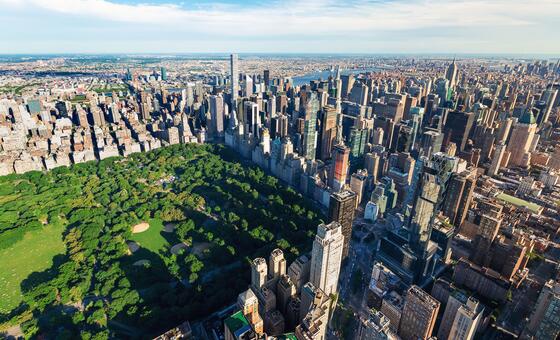
Central Park is experiencing the impacts of climate change, including increased flooding and heatwaves. However, it also serves as a vital green space that helps cool New York City, with temperatures in the park being significantly lower than in surrounding areas.
The iconic park faces climate challenges but plays a crucial role in urban cooling.
Entities & knowledge links
Executive summary
Central Park is experiencing the impacts of climate change, including increased flooding and heatwaves. However, it also serves as a vital green space that helps cool New York City, with temperatures in the park being significantly lower than in surrounding areas.
In the heart of Manhattan, Central Park is increasingly affected by climate change, facing heavier downpours, flooding, and soil erosion. Prolonged heatwaves also stress the park's ecosystem and its visitors. Despite these challenges, Central Park plays a crucial role in cooling the city, improving air quality, and managing stormwater. According to the Central Park Climate Lab, temperatures in the park can be about 5°C (10°F) lower than on adjacent streets.
Yanina Kupava, a Director at the Central Park Conservancy, emphasized the importance of urban parks as essential green infrastructure, stating that they provide more than just recreational spaces. As world leaders prepare for discussions on urban adaptation to climate change, the solutions can be observed in Central Park itself.
Historically, the park faced restoration challenges in the 1980s due to neglect following the fiscal crisis of the 1970s. Today, the focus has shifted to preserving its historic landscape amid changing climate conditions. For instance, the park's famous crabapple alleys, which bloom beautifully in spring, are threatened by warmer winters that could disrupt their flowering cycles. Kupava noted that early blooming due to unseasonably warm weather can lead to vulnerability to late frosts, impacting the trees' ability to pollinate.
The urban heat island effect, where densely built areas heat up more quickly than surrounding regions, further complicates the challenges faced by the park's flora and fauna. As New York continues to grapple with climate change, Central Park remains a critical asset in the city's efforts to adapt and mitigate its effects.
Institutional framing
TradingBase presents market updates in an institutional financial-news format. This is not investment advice.
NIC · Impact scores
Global: 0 · Market: 0 · Urgency: 0 · Confidence: 0 · Neutral
Market reaction
- SPX: Price snapshot pending · T-15m / T0 / T+15m / T+60m
- US30: Price snapshot pending · T-15m / T0 / T+15m / T+60m
Ask AI about this article
Answers are grounded in the published article “Central Park Adapts to Climate Change While Helping New York Stay Cool” and NIC scores — no invented figures.