

Unclassified
Scientists Discover Mechanism Behind Liver's Inability to Heal After Alcohol Consumption
New findings from researchers at the University of Illinois Urbana-Champaign and other institutions reveal that alcohol-related liver disease may trap damaged liver cells in a state that prevents regeneration, even after alcohol consumption ceases. The study links this phenomenon to inflammation-induced RNA splicing errors.
Research identifies inflammation-driven RNA errors as a key factor in liver regeneration failure.
Executive summary
New findings from researchers at the University of Illinois Urbana-Champaign and other institutions reveal that alcohol-related liver disease may trap damaged liver cells in a state that prevents regeneration, even after alcohol consumption ceases. The study links this phenomenon to inflammation-induced RNA splicing errors.
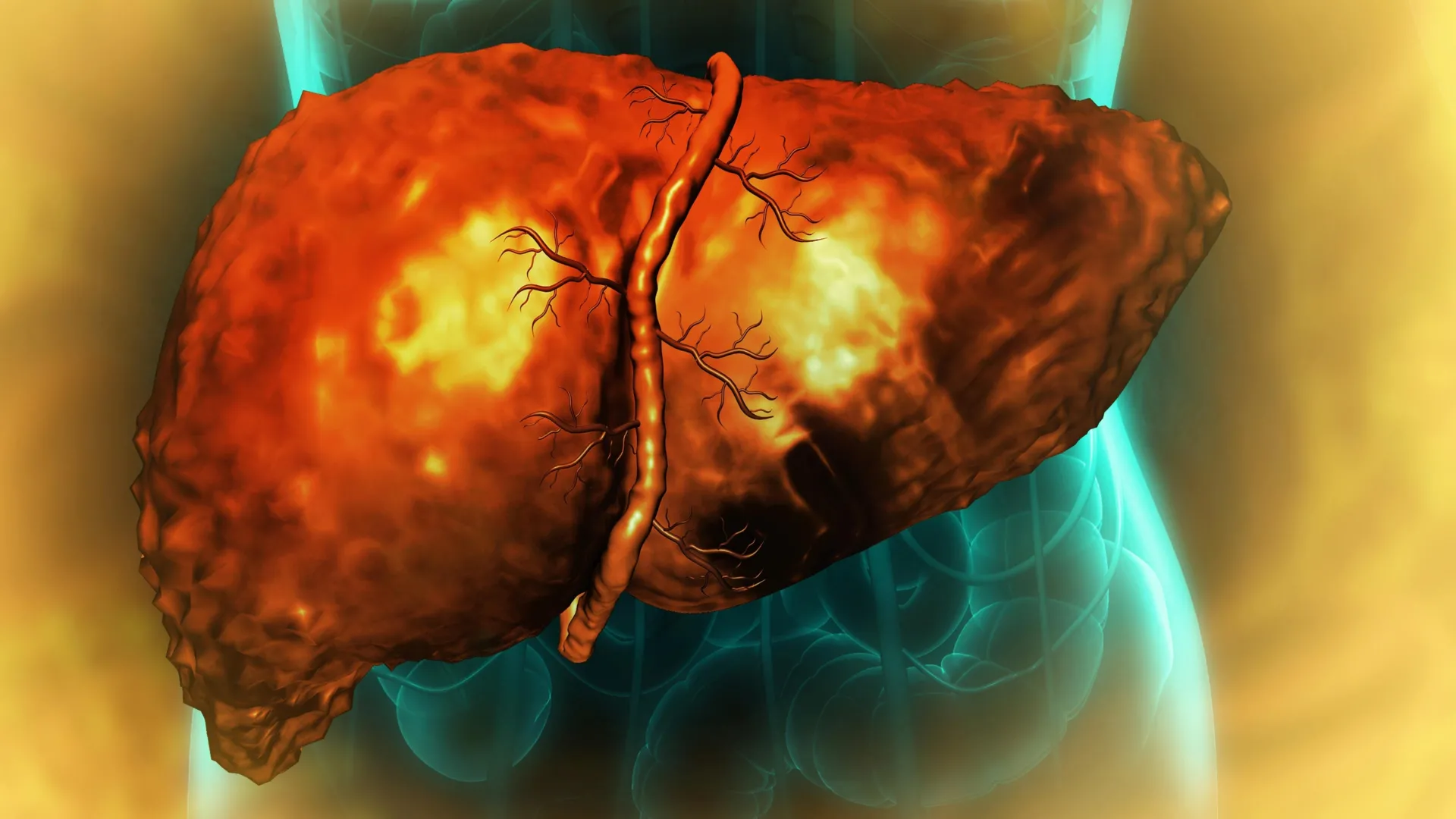
Excessive alcohol consumption can severely impair the liver's ability to repair itself after injury. Recent research indicates that damage from alcohol can leave liver cells in a dysfunctional state, unable to complete the regeneration process even after a person stops drinking.
A collaborative study involving the University of Illinois Urbana-Champaign, Duke University, and the Chan Zuckerberg Biohub Chicago has uncovered that this cellular dysfunction is driven by inflammation that disrupts RNA splicing, a crucial step in the process of converting genetic instructions into functional proteins. The findings were published in Nature Communications and may lead to new diagnostic and treatment approaches for severe alcohol-related liver disease.
The liver is unique among major organs due to its remarkable regenerative capacity. Typically, surviving liver cells can adapt, multiply, and mature to restore lost tissue. However, in cases of alcohol-related liver disease, which is a leading cause of liver-related mortality globally, this regenerative ability can break down. Approximately 3 million deaths each year are linked to this condition.
Researchers have noted that liver cells in diseased samples exhibit a tendency to revert to a less specialized, progenitor state but fail to complete the transition back to fully functional liver cells. This incomplete regeneration process is what leaves the liver in a state of dysfunction, even after alcohol consumption has ceased.
The study's co-leaders, Auinash Kalsotra from the University of Illinois and Anna Mae Diehl from Duke University, emphasize the importance of understanding the underlying mechanisms of liver failure in order to develop potential interventions. Currently, liver transplantation remains the only definitive treatment for patients who reach advanced stages of liver disease.
Institutional framing
TradingBase presents market updates in an institutional financial-news format. This is not investment advice.
NIC · Impact scores
Global: 0 · Market: 0 · Urgency: 0 · Confidence: 0 · Neutral
Market reaction
- SPX: Price snapshot pending · T-15m / T0 / T+15m / T+60m
- US30: Price snapshot pending · T-15m / T0 / T+15m / T+60m
Ask AI about this article
Answers are grounded in the published article “Scientists Discover Mechanism Behind Liver's Inability to Heal After Alcohol Consumption” and NIC scores — no invented figures.